Understanding the psychology behind gambling Why we take risks at the casino
The Allure of Risk: What Drives Us to Gamble
The psychological allure of gambling lies significantly in the thrill of risk-taking. For many, the excitement derived from placing a bet or spinning a roulette wheel is an adrenaline rush akin to extreme sports. This sensation can create a feeling of euphoria, often bolstered by the anticipation of a potential win. The brain releases dopamine, a neurotransmitter associated with pleasure, as we engage in these high-stakes activities, creating a powerful feedback loop that can lead to repeated behaviors. Players interested in exploring these experiences can visit https://gokong.bet/ for more information.
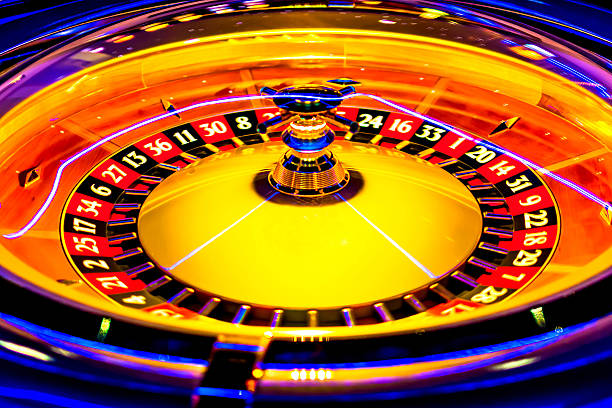
Additionally, the unpredictability of gambling outcomes plays a crucial role in drawing people to casinos. Unlike other forms of entertainment, where outcomes are predetermined, the uncertain nature of gambling offers an exhilarating experience. This uncertainty stimulates our innate desire for excitement and adventure, making it hard for some to resist the call of the casino. The thrill is further amplified by the environmental factors that casinos exploit, such as bright lights, enticing sounds, and a vibrant atmosphere that all contribute to a heightened sense of excitement.
Furthermore, social factors can amplify the psychological draw of gambling. Casinos often promote an environment that encourages camaraderie among players, creating a communal space where individuals can share their experiences. The presence of friends or fellow gamblers can create a supportive dynamic that reinforces risk-taking behavior. This social aspect not only enhances the experience but also fosters a sense of belonging, making the act of gambling more appealing than engaging in solitary activities.
Cognitive biases, such as the illusion of control and confirmation bias, play a significant role in how gamblers perceive their chances of winning. The illusion of control leads players to believe they can influence the outcome of games that are predominantly based on chance. For instance, a player may feel they are on a winning streak or that they can predict the outcome of a slot machine, despite the random nature of these games. This misconception can fuel continued gambling, as players mistakenly believe they have the upper hand.
Confirmation bias further exacerbates this issue, as individuals tend to focus on wins and successes while ignoring losses. Gamblers may remember the times they won big but overlook the numerous occasions they lost money. This selective memory strengthens their belief that they are more successful than they truly are, leading to a dangerous cycle of increased risk-taking. Such biases not only influence the individual’s decisions but can also create a gambling culture that perpetuates these misconceptions.
Moreover, the framing effect can also impact how gamblers approach their wagers. When presented with choices framed in a way that highlights potential gains, individuals are often more likely to take risks. For example, a promotion that highlights a “chance to win big” can entice even cautious players to engage in gambling behaviors they might otherwise avoid. Understanding these cognitive biases helps elucidate why individuals often take significant risks at the casino, despite the potential for negative consequences.
The psychology of risk and reward is central to understanding why people gamble. The prospect of a large payout often overshadows the potential for loss, as individuals weigh their choices based on the perceived reward. This phenomenon is grounded in the concept of loss aversion, where the pain of losing money feels more significant than the pleasure of gaining the same amount. Consequently, the allure of a big win often drives players to take risks they might deem unacceptable in other contexts.
Additionally, the concept of the near-miss effect plays a crucial role in gambling behavior. When players come close to winning—say, by almost hitting a jackpot—they may feel a rush of excitement that encourages them to continue playing. This psychological phenomenon creates a cycle where players are motivated to keep gambling, believing that they are on the verge of a win. Such experiences can lead to a false sense of skill and control, further perpetuating the risk-taking behavior.
Ultimately, the blend of risk and reward in gambling creates a complex emotional experience. Players often find themselves grappling with the tension between the fear of losing and the excitement of winning. This emotional rollercoaster can be exhilarating but also dangerous, as it can lead to compulsive gambling behaviors. Understanding this intricate relationship helps clarify why many individuals are drawn to the casino, despite the inherent risks involved.
The casino environment is meticulously designed to enhance the gambling experience, with several psychological tactics employed to keep players engaged. For example, the use of bright lights, vibrant colors, and engaging sounds creates a sensory-rich atmosphere that can overwhelm the senses. This carefully curated environment is not just for show; it influences how players perceive time and their spending, making them less likely to realize how long they have been gambling or how much money they have spent.
Furthermore, the layout of casinos encourages players to explore and take risks. The placement of games, with slots and tables arranged to invite players deeper into the venue, fosters an environment of continuous engagement. This spatial design can lead to impulsive decisions as players feel immersed in the experience, often losing track of their initial intentions or spending limits. Over time, this can contribute to habitual gambling, where individuals frequently visit casinos without a defined budget.
The role of promotions and bonuses cannot be overlooked, as they often entice players to engage with the games. Free spins, loyalty rewards, and enticing offers create a sense of urgency that can spur risk-taking behavior. Players may feel compelled to take advantage of these promotions, even if it means exceeding their budget or taking risks they wouldn’t normally consider. Understanding these environmental factors reveals the intricate ways in which casinos can influence player behavior and promote risk-taking.

Exploring GoKong Casino: A New Era of Online Gambling
GoKong Casino represents a modern take on the gambling experience, combining the excitement of traditional casinos with the convenience of online gaming. Launched in 2025, this platform offers a vast array of over 10,000 slot games and live casino tables, catering to diverse player preferences. The user-friendly interface and mobile compatibility make it easy for players to navigate through the offerings, ensuring a seamless experience. Such accessibility is particularly appealing to the tech-savvy generation looking for entertainment on-the-go.
Additionally, GoKong Casino prioritizes player security and fairness, operating under a licensed and regulated environment. This focus on safety reassures players as they explore their gambling options, creating a more enjoyable experience. The enticing welcome bonus of 100% up to €500 and 200 free spins is a testament to GoKong’s commitment to attracting new players while offering opportunities to win big without initial risk.
With 24/7 customer support, GoKong Casino aims to provide a comprehensive gaming experience that addresses player needs at any time. The combination of engaging games, user-friendly design, and reliable support positions GoKong Casino as a leading choice for online gambling enthusiasts. As players seek thrilling experiences in a secure environment, platforms like GoKong are set to redefine the landscape of online gaming.
“`